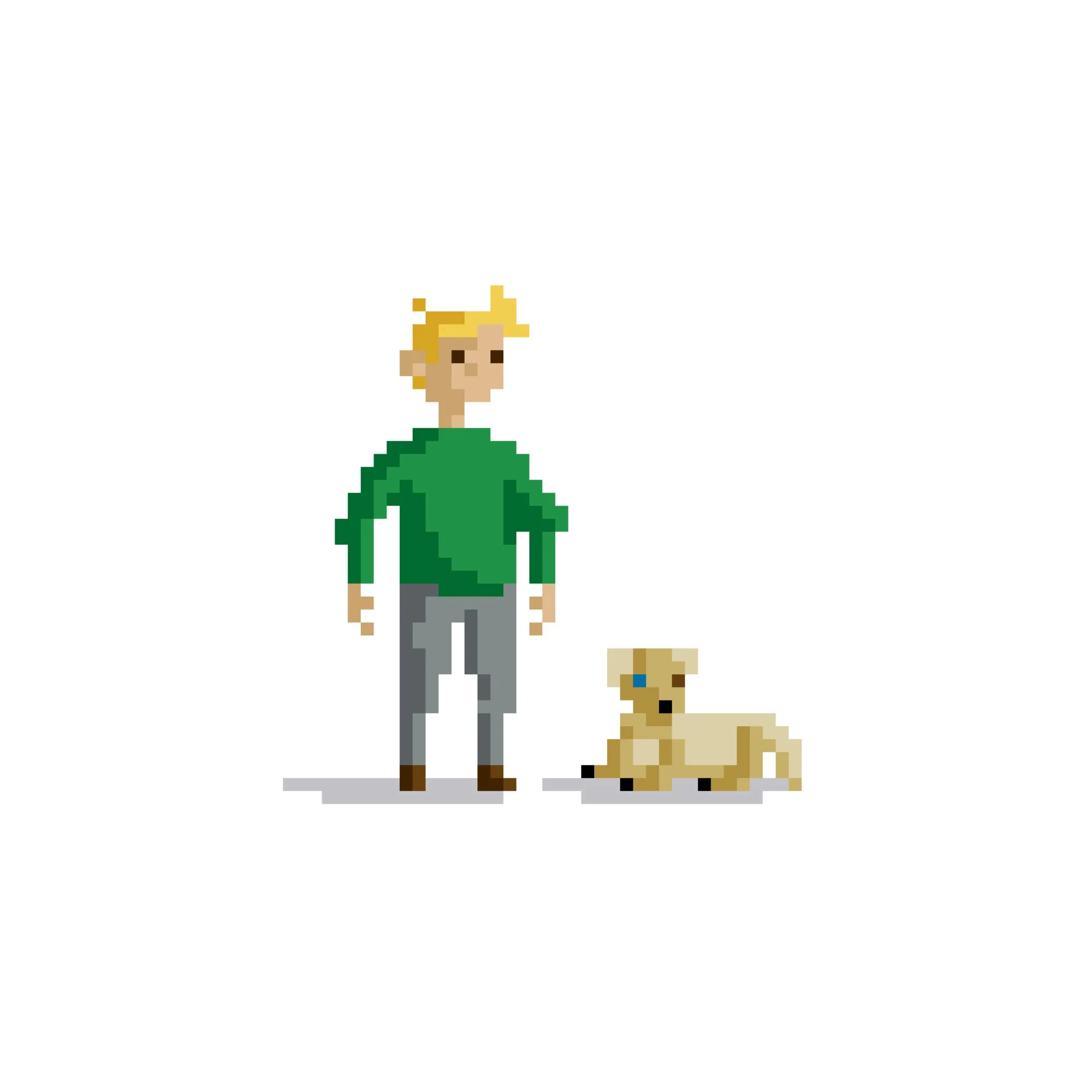
Education & Design
Learning Experience Designer & Creative Technologist
I design creative learning experiences that make complex ideas easier to understand, use, and remember.
My work brings together learning design, illustration, video, animation, interactive tools, and LMS design. I’m especially interested in education that feels useful, human, and engaging without losing sight of the learner.


Te Wānanga o Aotearoa:
Digital Learning for Reo Māori Programmes
At Te Wānanga o Aotearoa, I design digital learning resources for reo Māori programmes. My role sits across learning design, visual design, illustration, video, animation, LMS flow, and interactive prototyping.
Much of this work focuses on making online learning feel clearer, more active, and less overwhelming for tauira. I also build reusable templates and systems that instructional designers and kaiako can adapt across different modules.
LMS flow and learning system
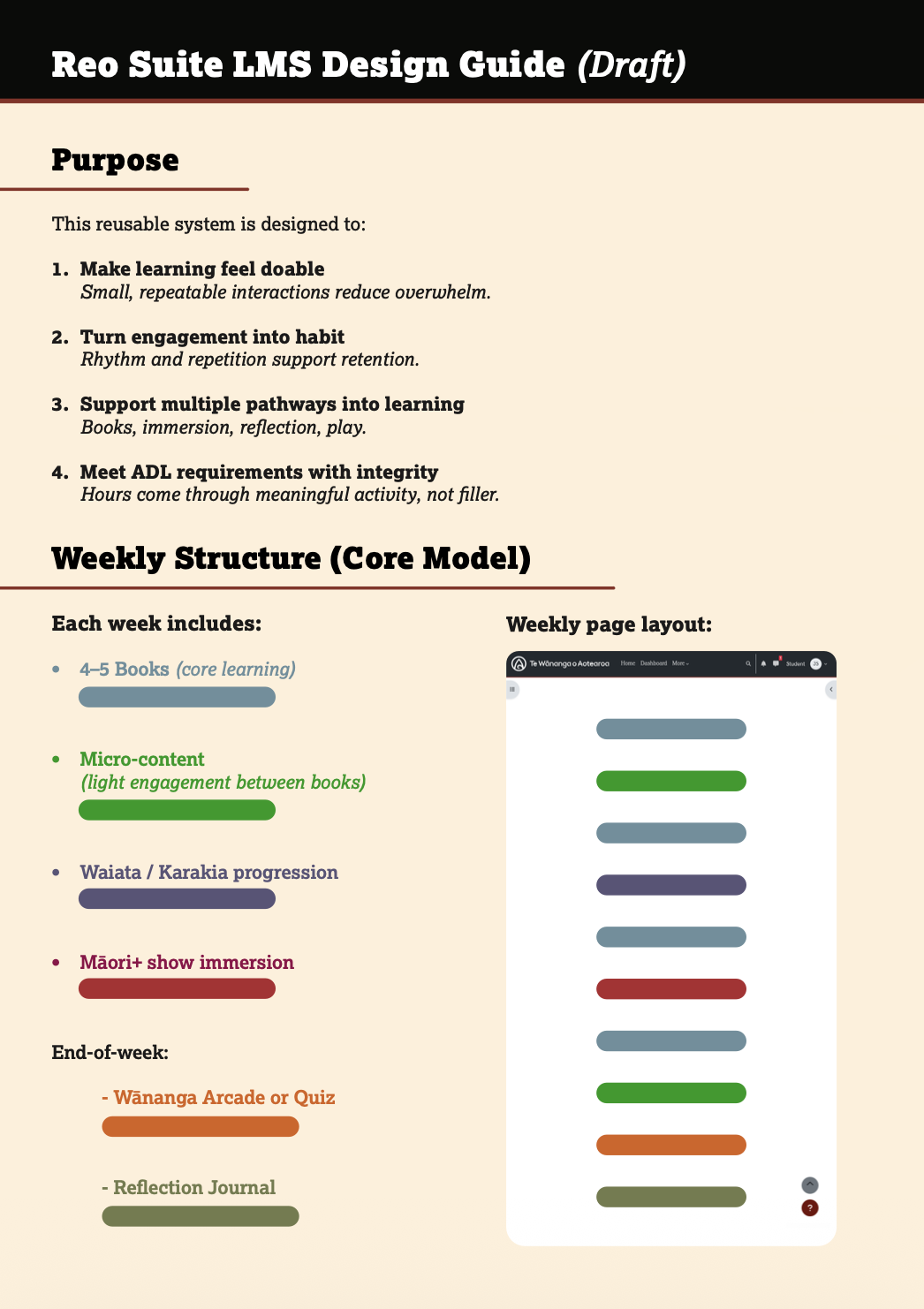
I developed a draft LMS structure for the reo programme suite, designed around a repeatable weekly rhythm of core learning, micro-content, waiata and karakia, immersion, practice activities, and reflection.
The aim was to make online learning feel manageable and purposeful, while helping the programme meet required learning hours through meaningful activity rather than filler.
Interactive activity suite
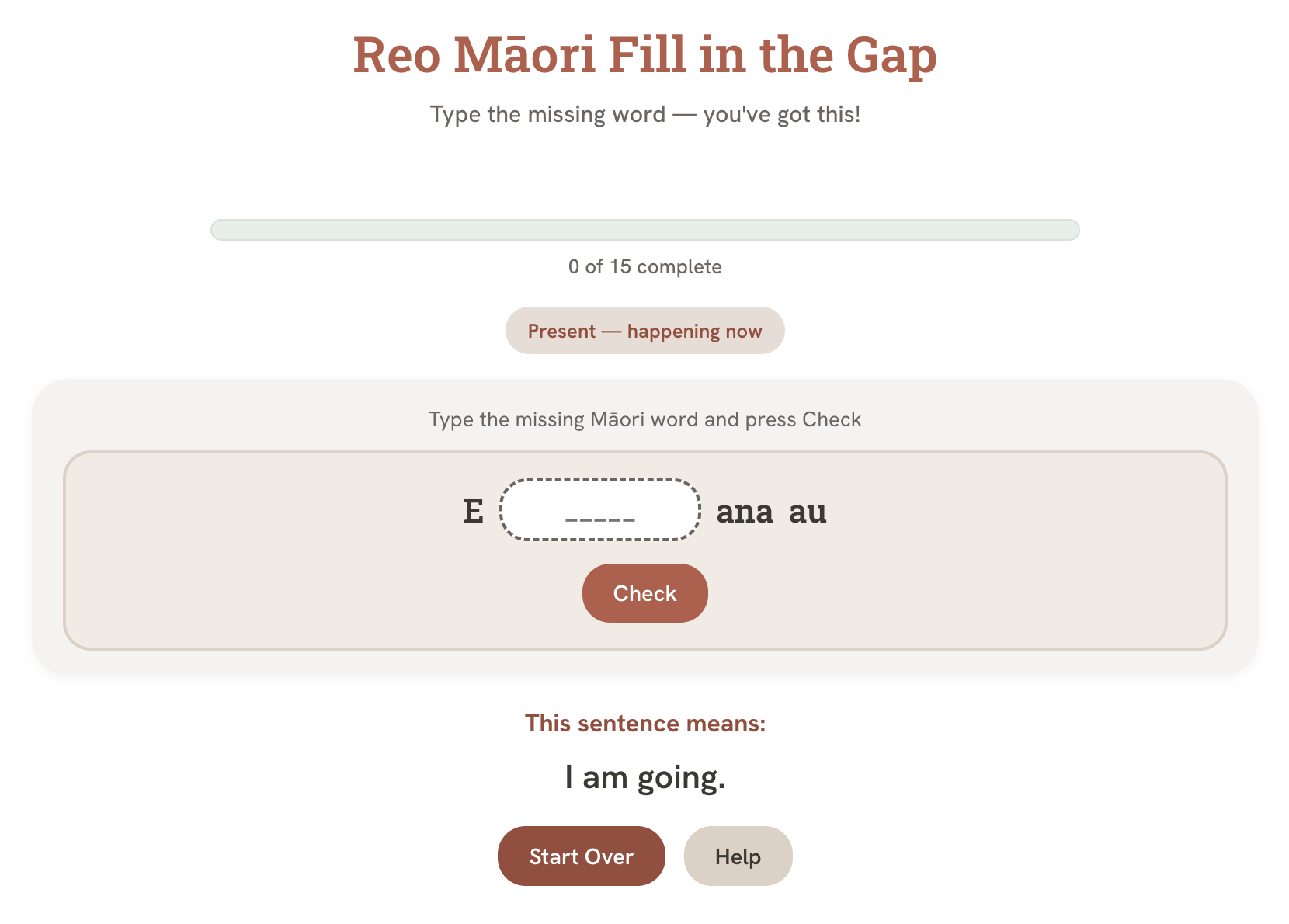
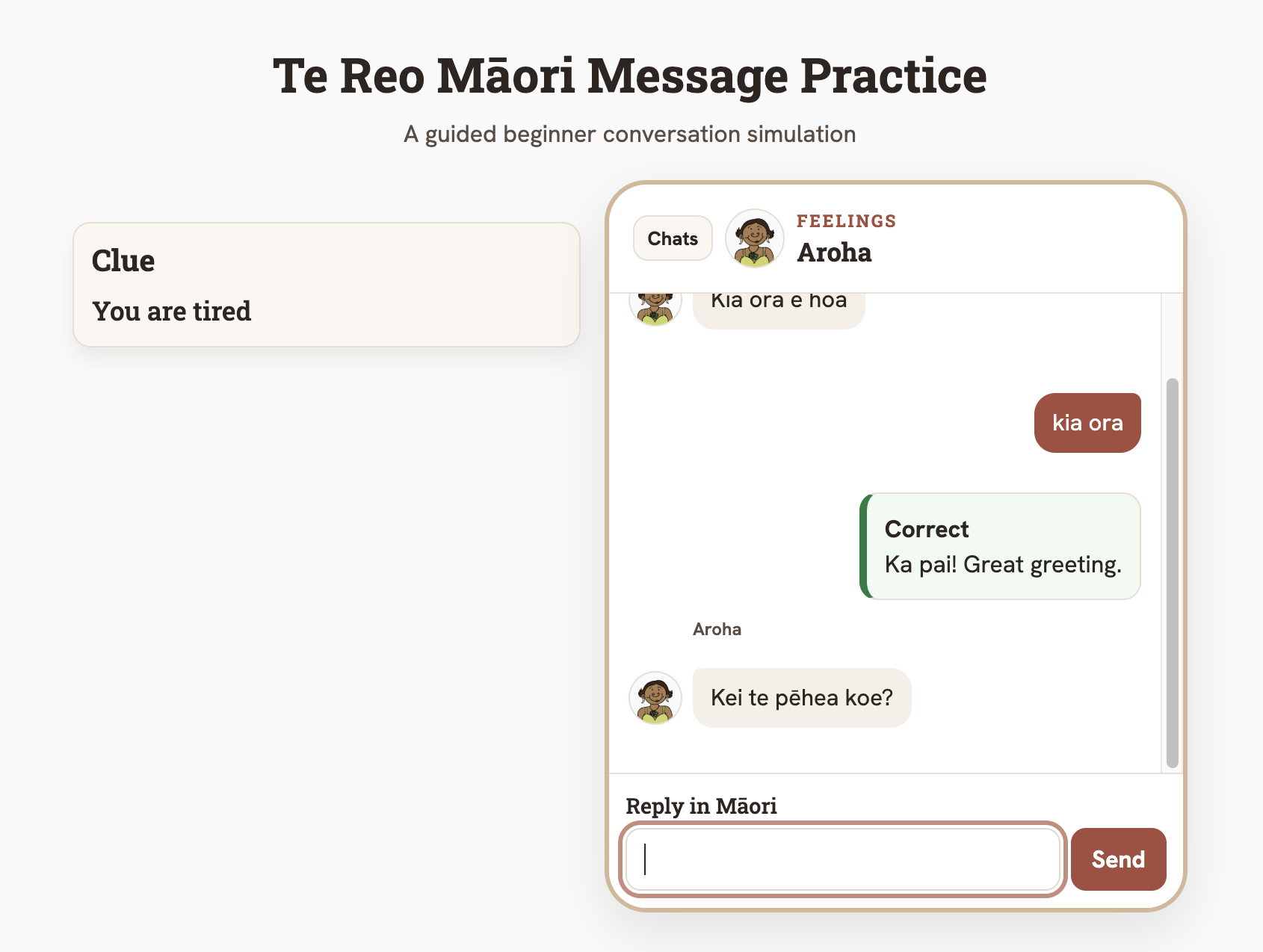
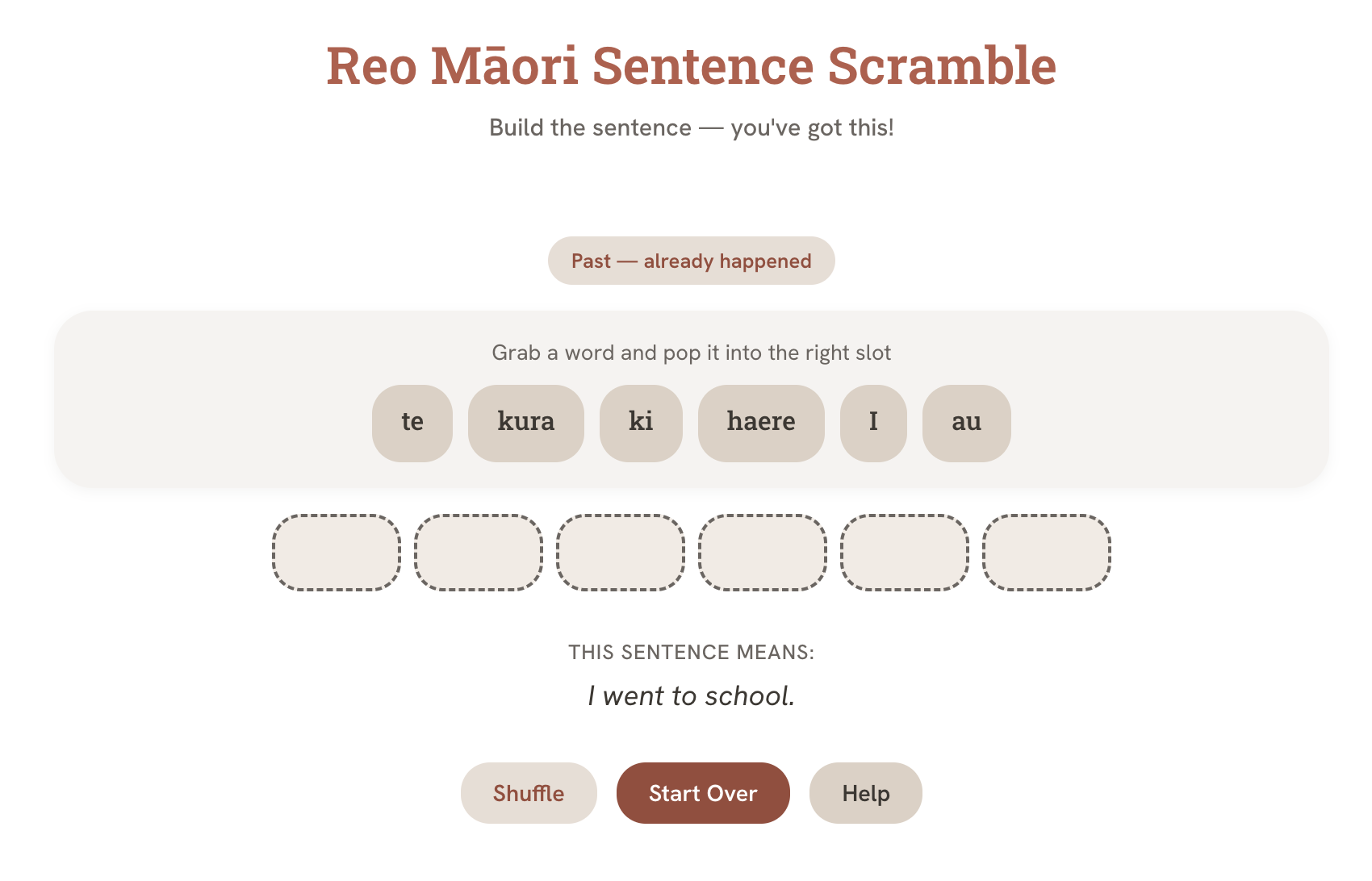
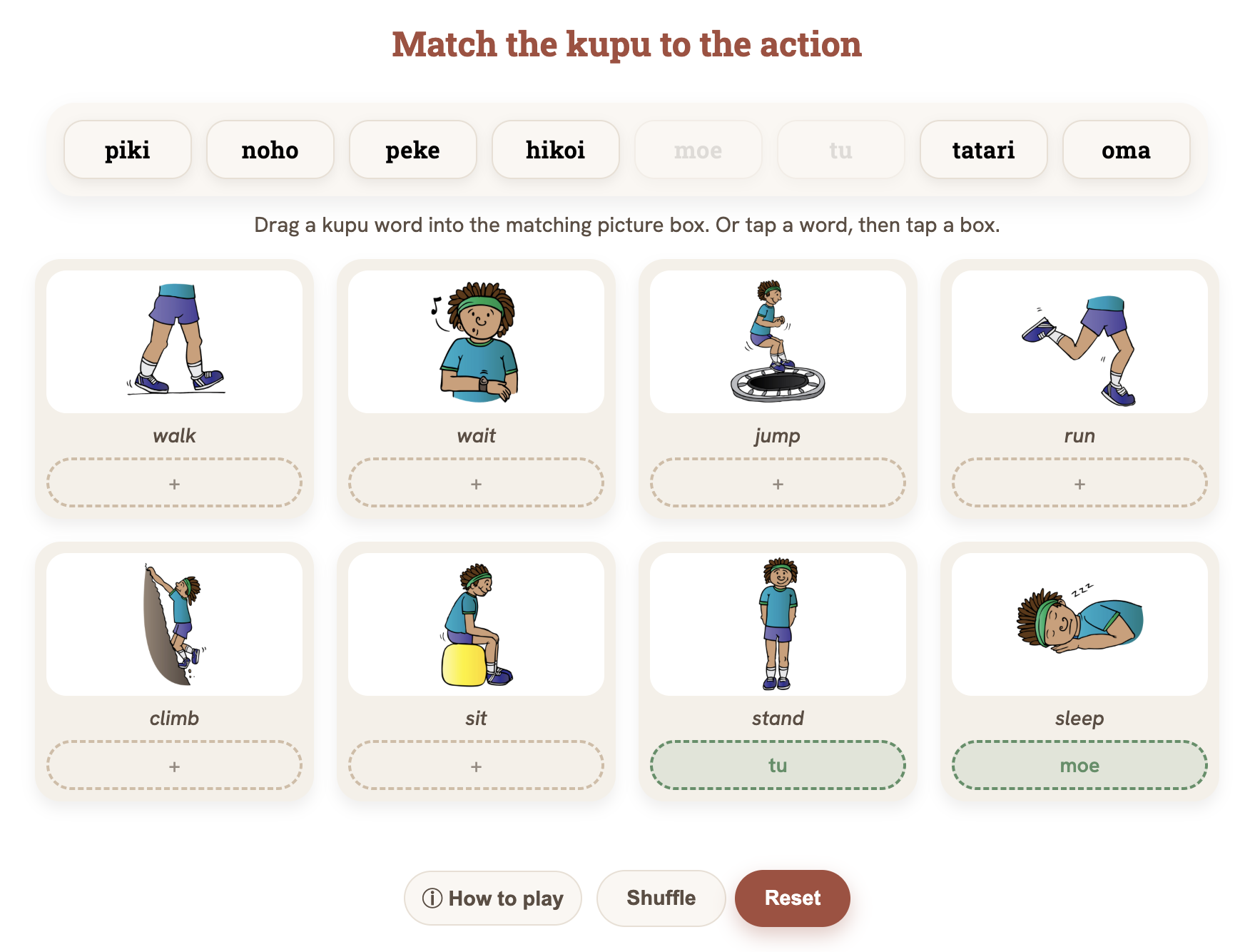
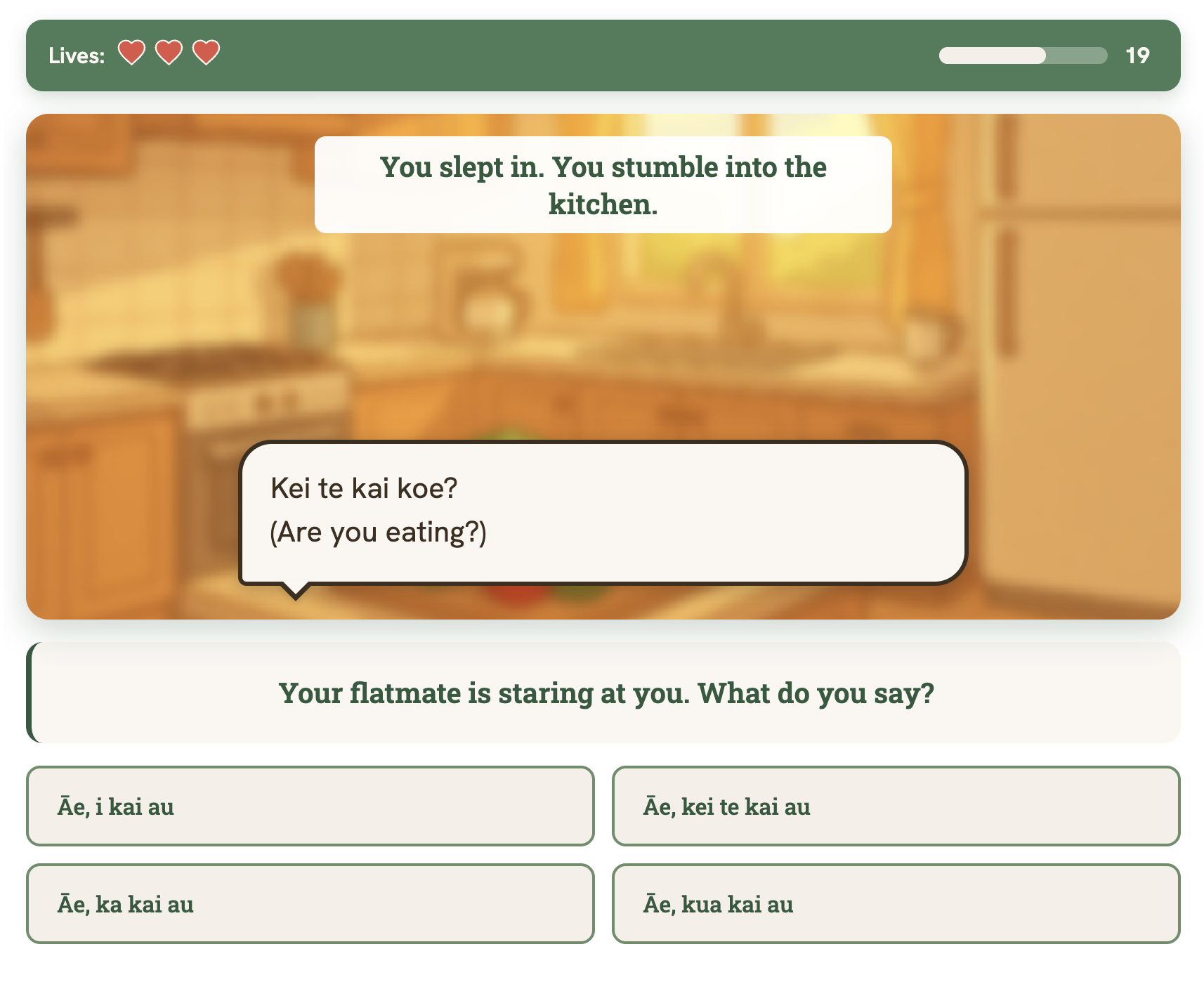
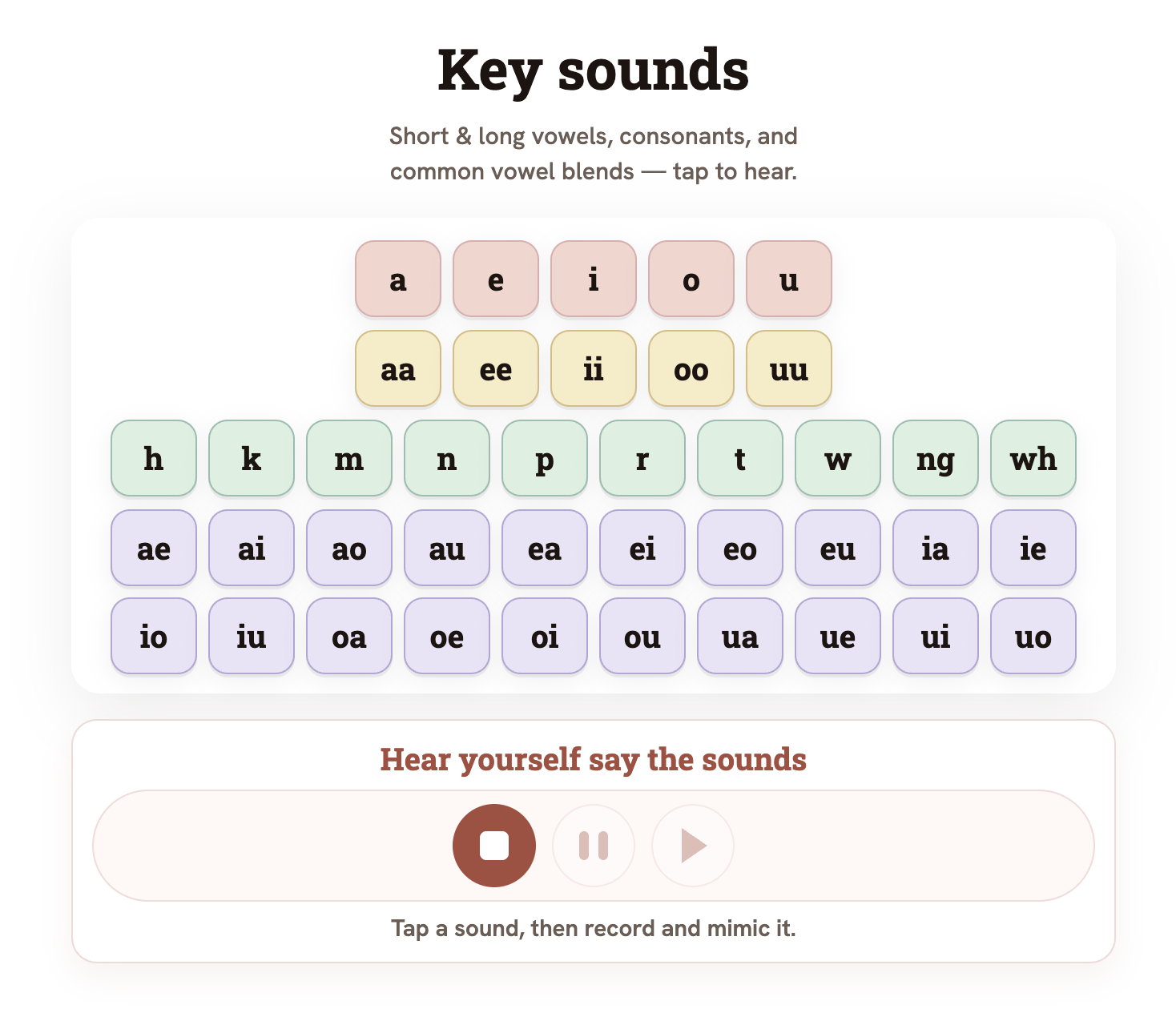
I designed and prototyped a reusable suite of interactive reo Māori learning activities, including sentence scrambles, fill-in-the-gap grammar practice, drag-and-drop matching, pronunciation boards, audio flashcards, and guided conversation simulations.
These prototypes were tested with instructional designers, subject matter experts, kaiako, and wider staff. Feedback was used to refine usability, difficulty, clarity, accessibility, and learner support.
The templates are designed for short, repeatable practice across kupu recall, pronunciation, sentence structure, and everyday language use. Each activity can be adapted with new content while preserving a consistent learner experience, reducing build time, and supporting scalable course development.
Pepeha Maker
I designed and built an interactive Pepeha Maker in Articulate Storyline. The tool guides learners through a branching pathway, then generates a personalised pepeha they can export as an image or PDF.
I used a paper collage visual style to reflect the idea of piecing together identity, place, and whakapapa. I also recorded the narration myself and reshaped it with AI voice tools to create a warmer guided experience.
Give it a go.
Video and animation
I created a range of video formats for online learning, from animated presenter-style resources using custom Adobe Character Animator puppets to cinematic explainers combining illustration, text, music, and b-roll.
These formats help turn abstract or text-heavy content into something clearer, more visual, and easier to revisit.
Character and illustration system
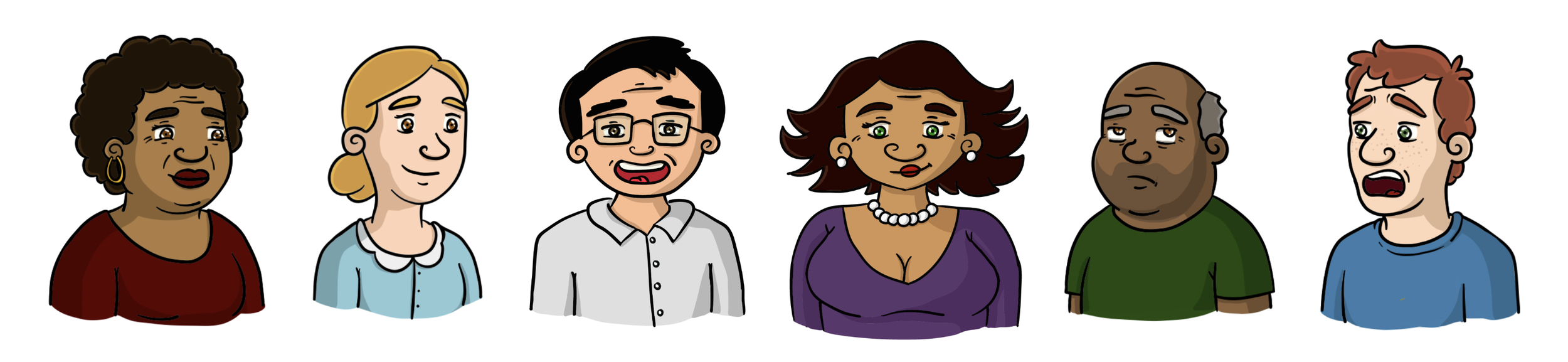
I illustrated a reusable character library with different poses, expressions, and contexts. This gives instructional designers a faster way to build stories, scenarios, and visual examples without commissioning new artwork each time.
Language games
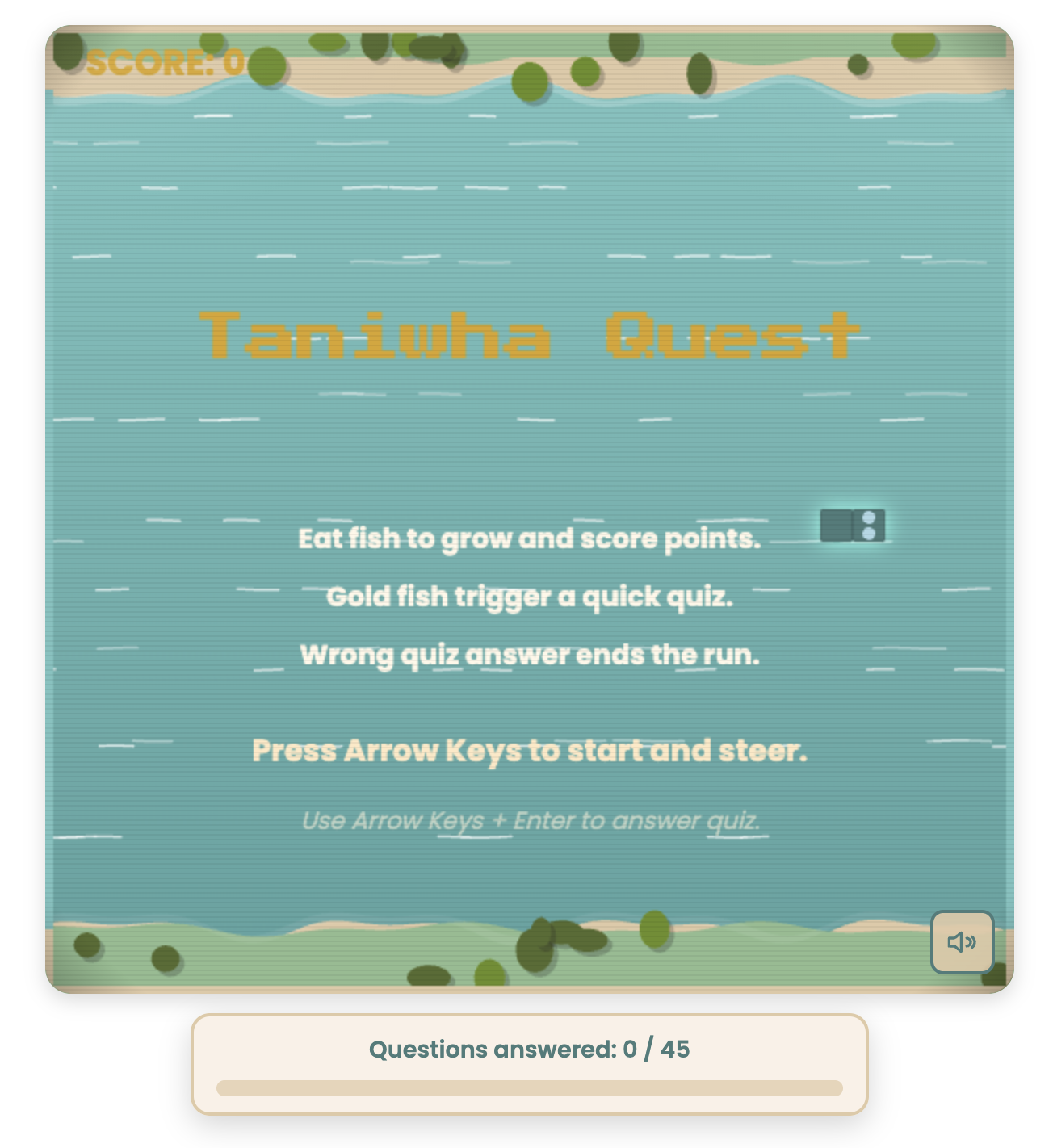
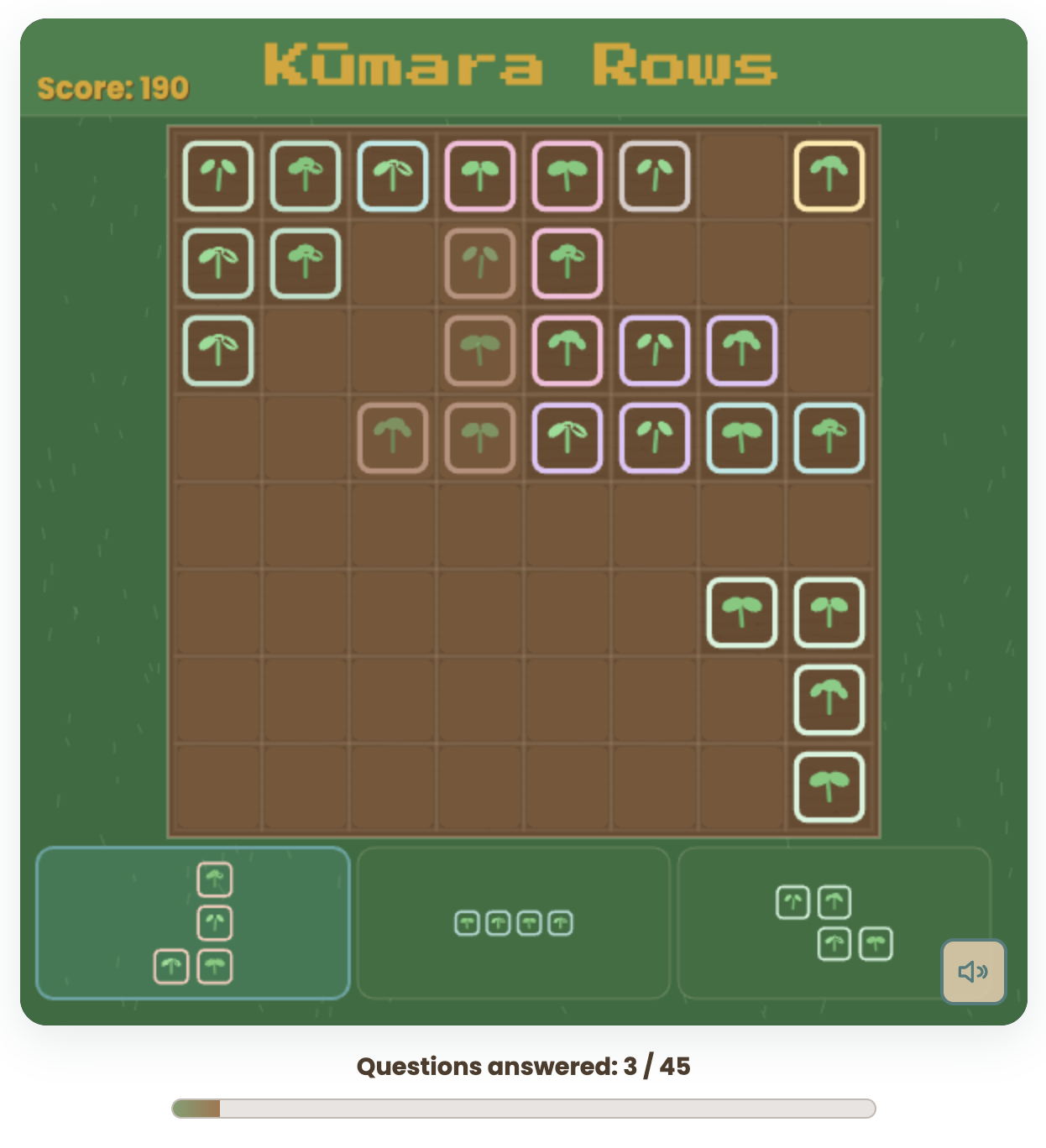
I coded several reo Māori games styled after old-school arcades and choose your own adventure books to appeal to our older demographic using nostalgia. Learners can pick up vocabulary and sentence structures while playing. Whether it’s dodging, collecting, or branching through a story in a “choose your own adventure” format. These games sit at the intersection of fun and pedagogy, showing how retro mechanics can be re-imagined for language revitalisation.
Infographics & posters
Alongside digital projects, I’ve designed visual resources such as books, booklets, user guides, posters and infographics that distil instructional material and complex language points into bold, accessible formats. These are designed to work both in classrooms and online, reinforcing the kaupapa with clear design thinking.
Across this mahi, I’ve been exploring how design, storytelling, technology, and learning structure can work together to support kaupapa Māori education. The strongest part of the work has been building systems that are engaging for learners and practical for the people creating the content.


Little Libraries
Designing playful reading spaces for tamariki
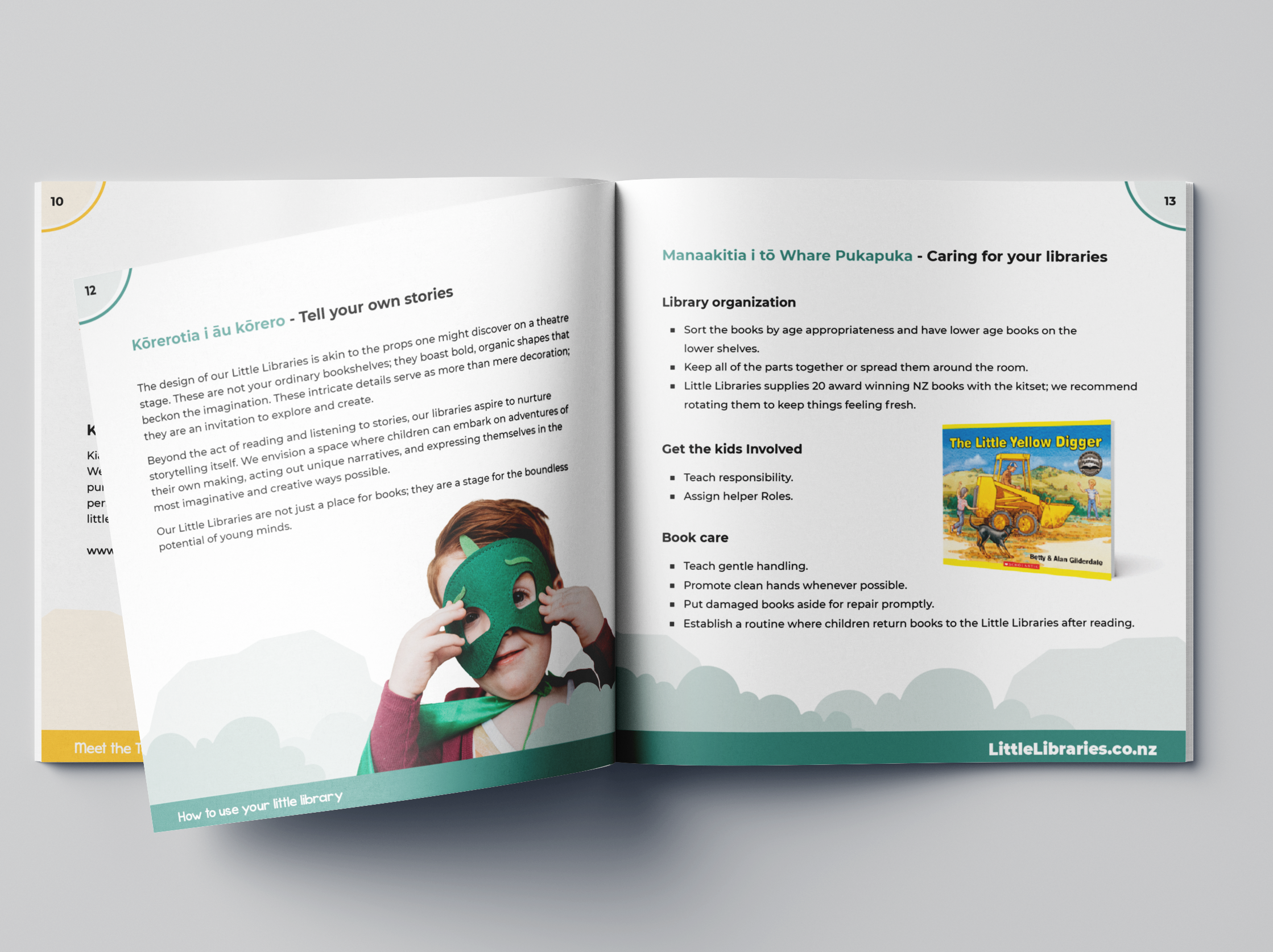
Little Libraries was a community literacy project designed to make books feel more visible, inviting, and accessible for young children and whānau.
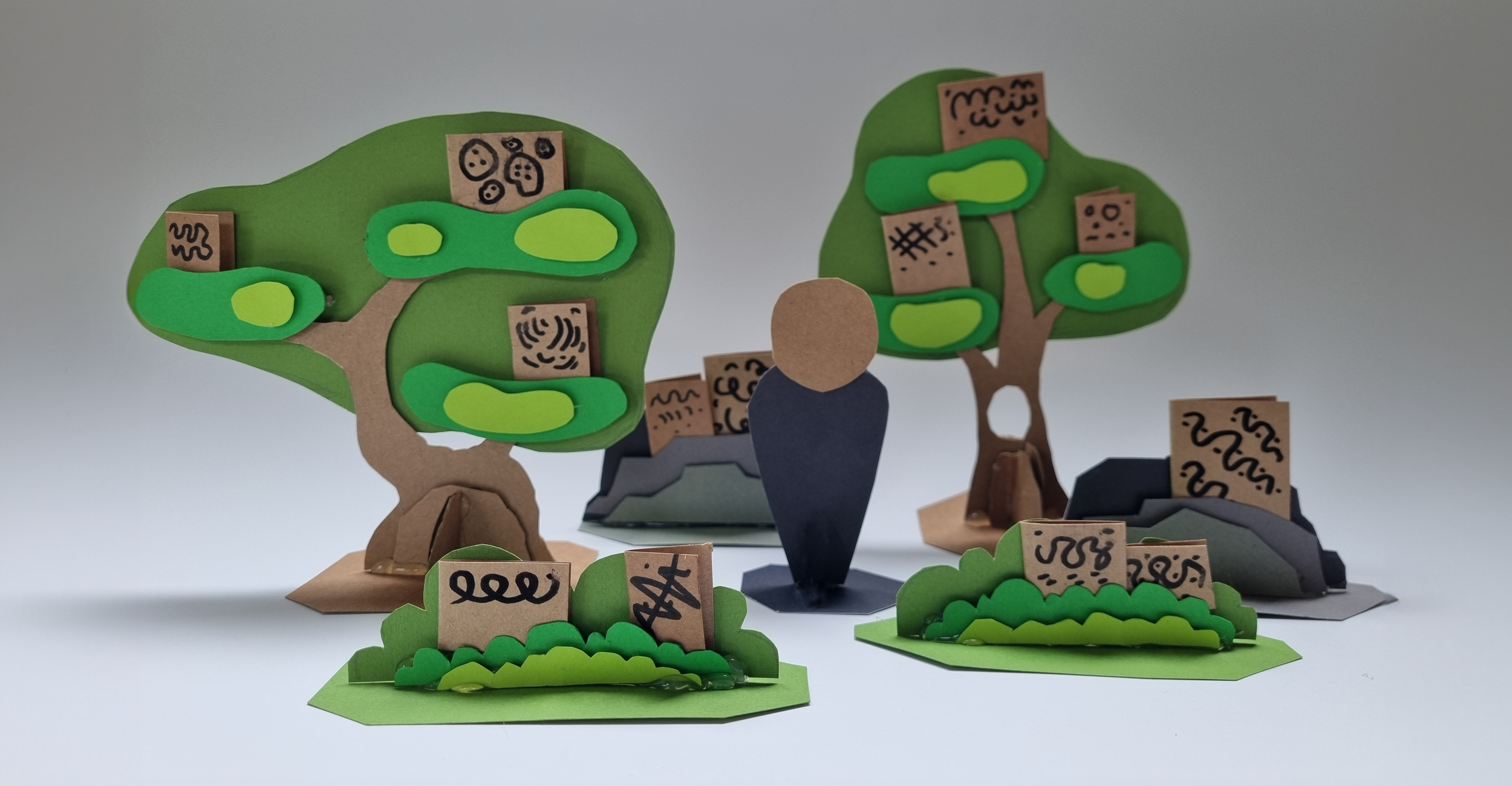
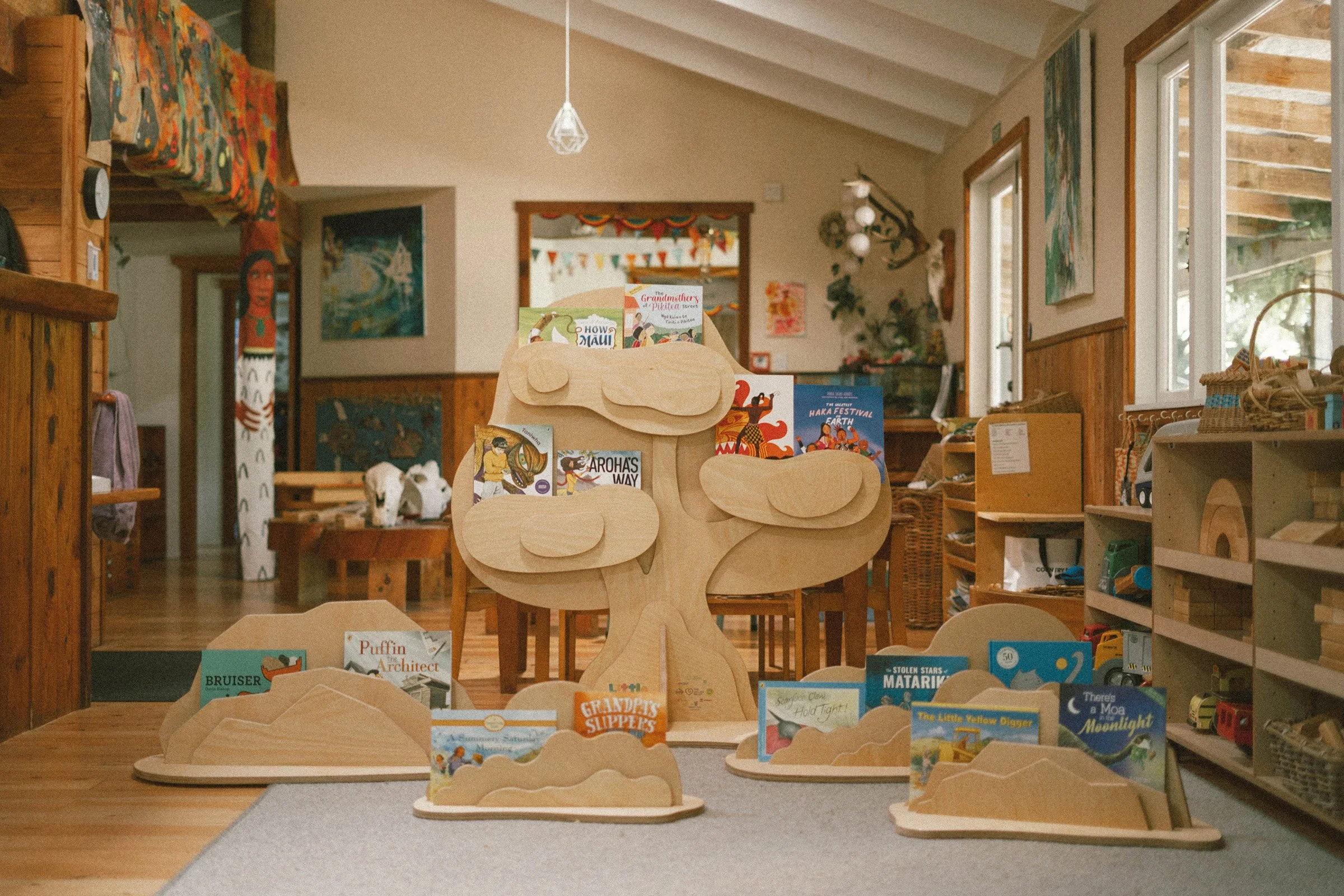
I developed the visual direction, illustration style, website, and physical bookshelf concepts, including tree and shrub-inspired designs that turned book storage into part of the learning environment.
My work covered illustration, web design, layout, concept development, and environmental design. The aim was to create a warm, playful system that encouraged tamariki to notice, choose, and return to books in everyday spaces.
Rather than treating the shelves as simple storage, I designed them as small moments of discovery. The natural forms, bright colours, and child-friendly visuals were intended to make reading feel approachable without needing screens or complicated instructions.
This project helped shape how I think about learning design. Good educational experiences are not just about content. They are about invitation, confidence, context, and making the next step feel easy enough to take.







Successful Kids Resources
Playful educational resource design
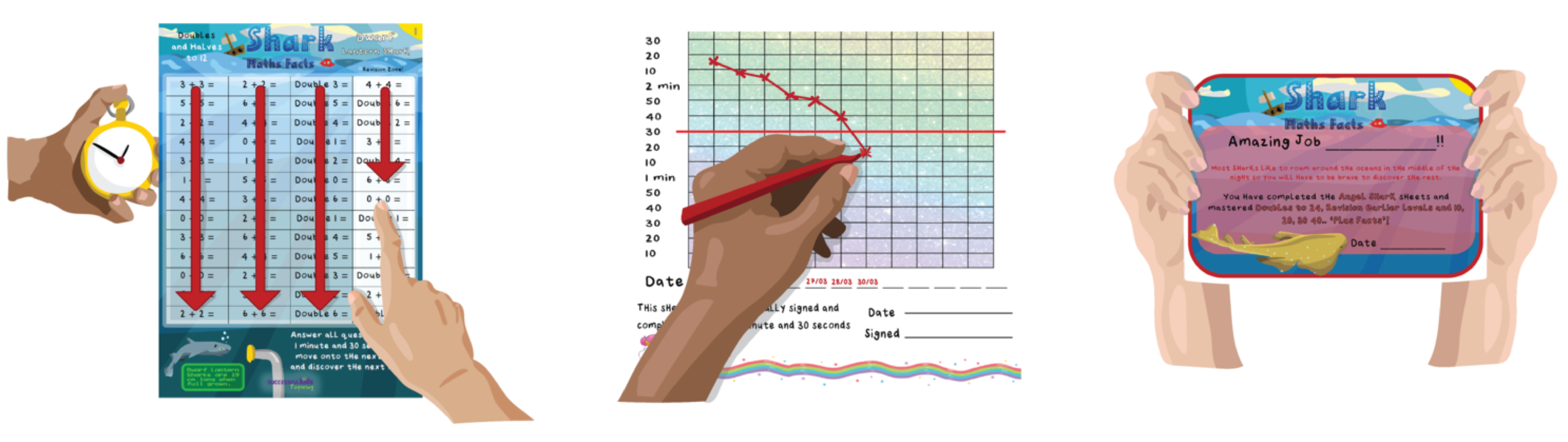
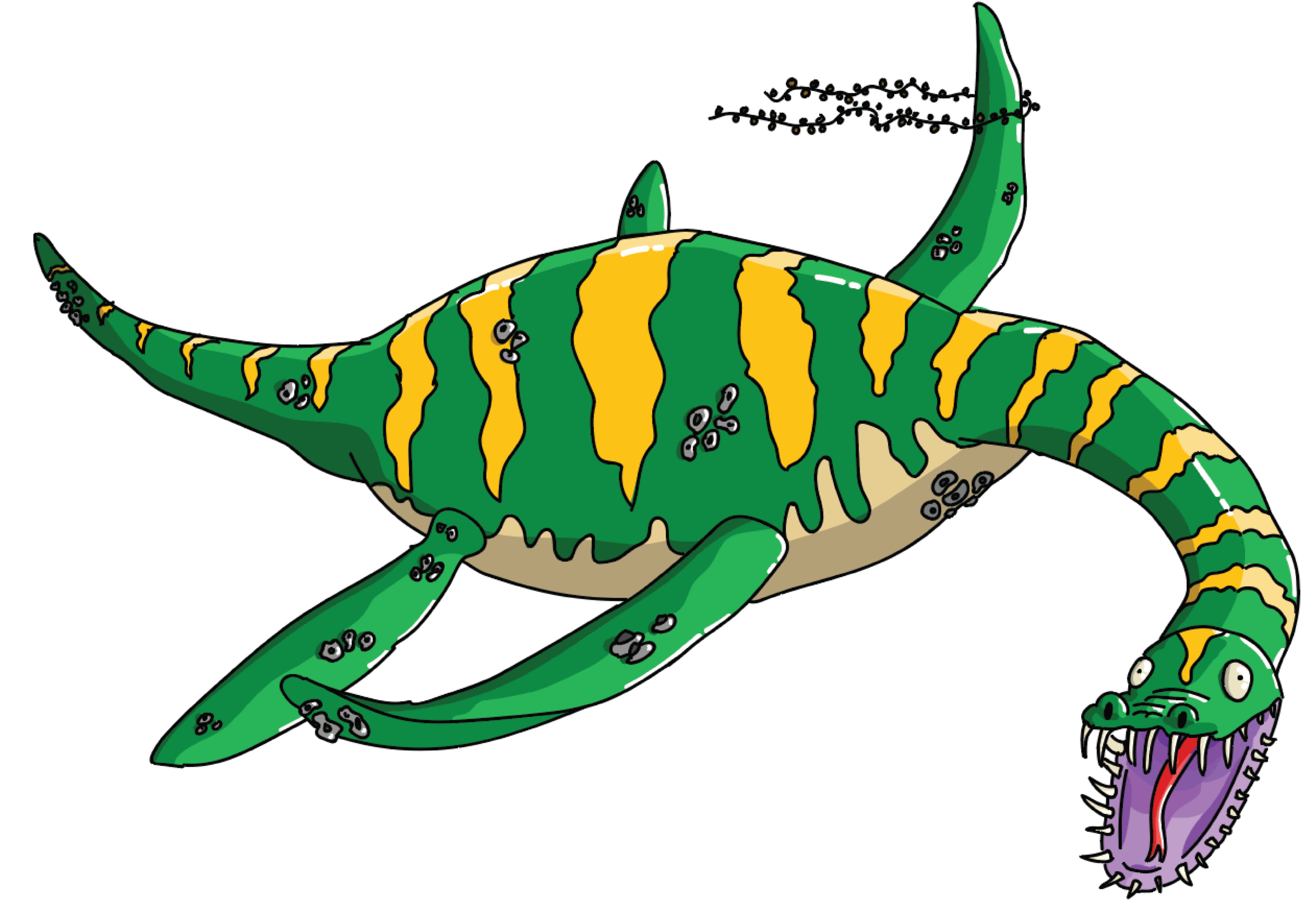
At Successful Kids, I designed learning resources for primary-aged children, with a focus on making literacy and numeracy practice feel more playful, clear, and encouraging
My work included illustrated worksheets, reward systems, activity sheets, posters, and visual learning materials. I used colour, character, layout, and simple game mechanics to make tasks feel less intimidating and more inviting for young learners.
This role helped shape my interest in educational design. It showed me how much gamification and visuals matter when learners are building confidence, and how small design choices can make practice feel more achievable and fun.
BIOZONE
Educational publishing and production design
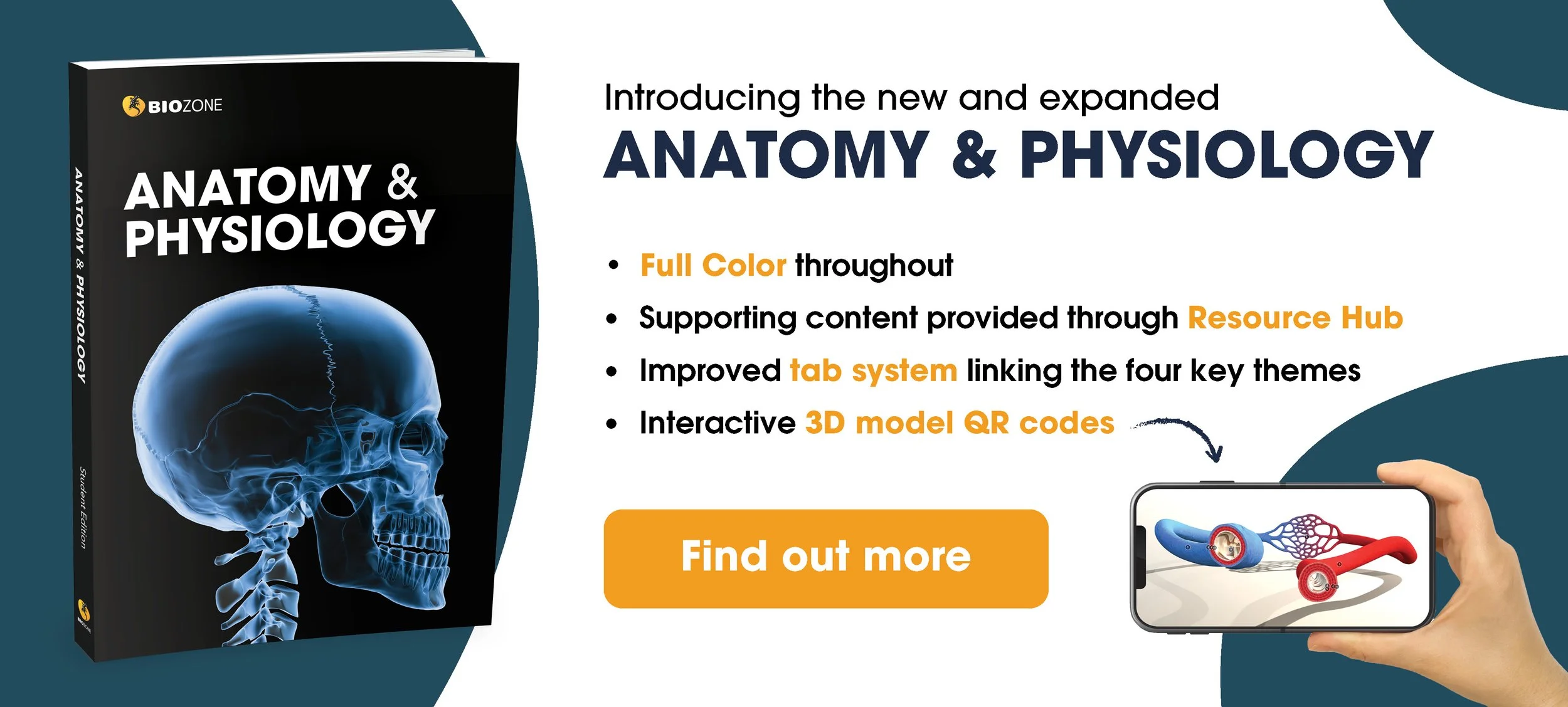
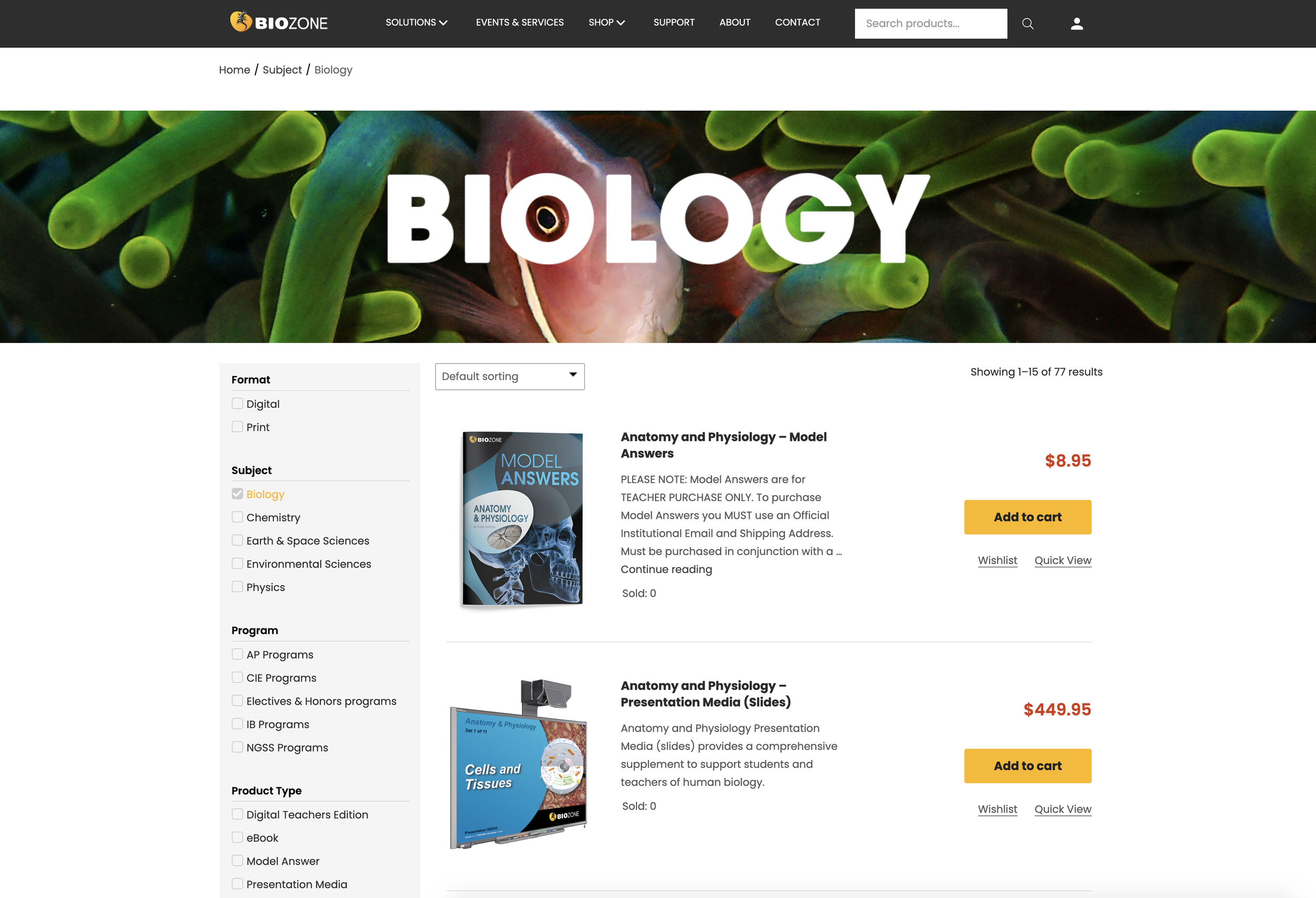
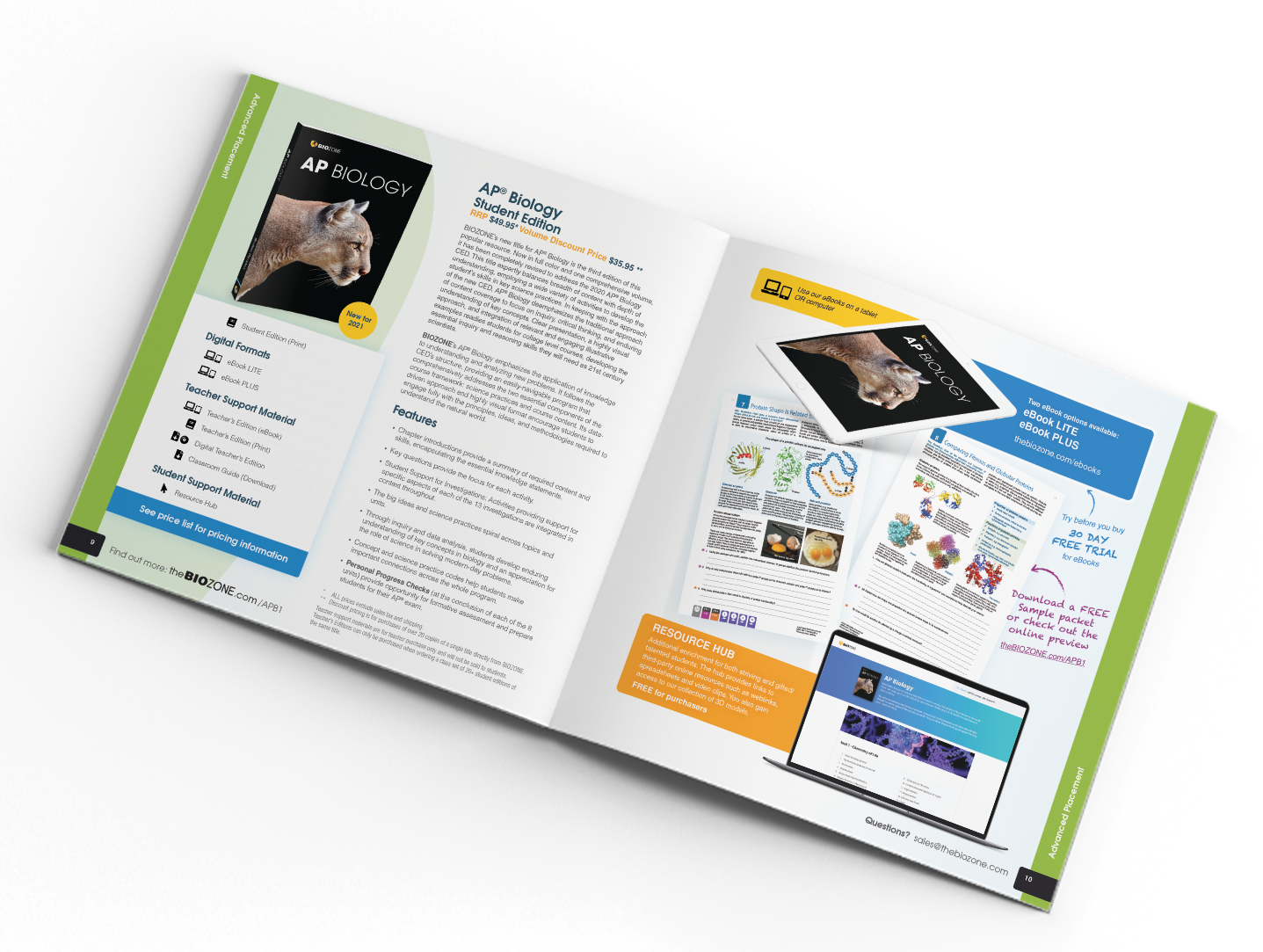
At Biozone, I worked as a graphic designer creating educational resources for science textbooks and learning materials.
The role involved detailed layout work, diagram design, image editing, print production, and working within established publishing systems. It gave me strong foundations in visual hierarchy, accuracy, consistency, and designing content that needs to be clear at scale.
This experience strengthened my ability to work with complex educational material and turn dense information into structured, readable resources for learners.





PixlStitch
Instructional design, visual systems, and self-led product development
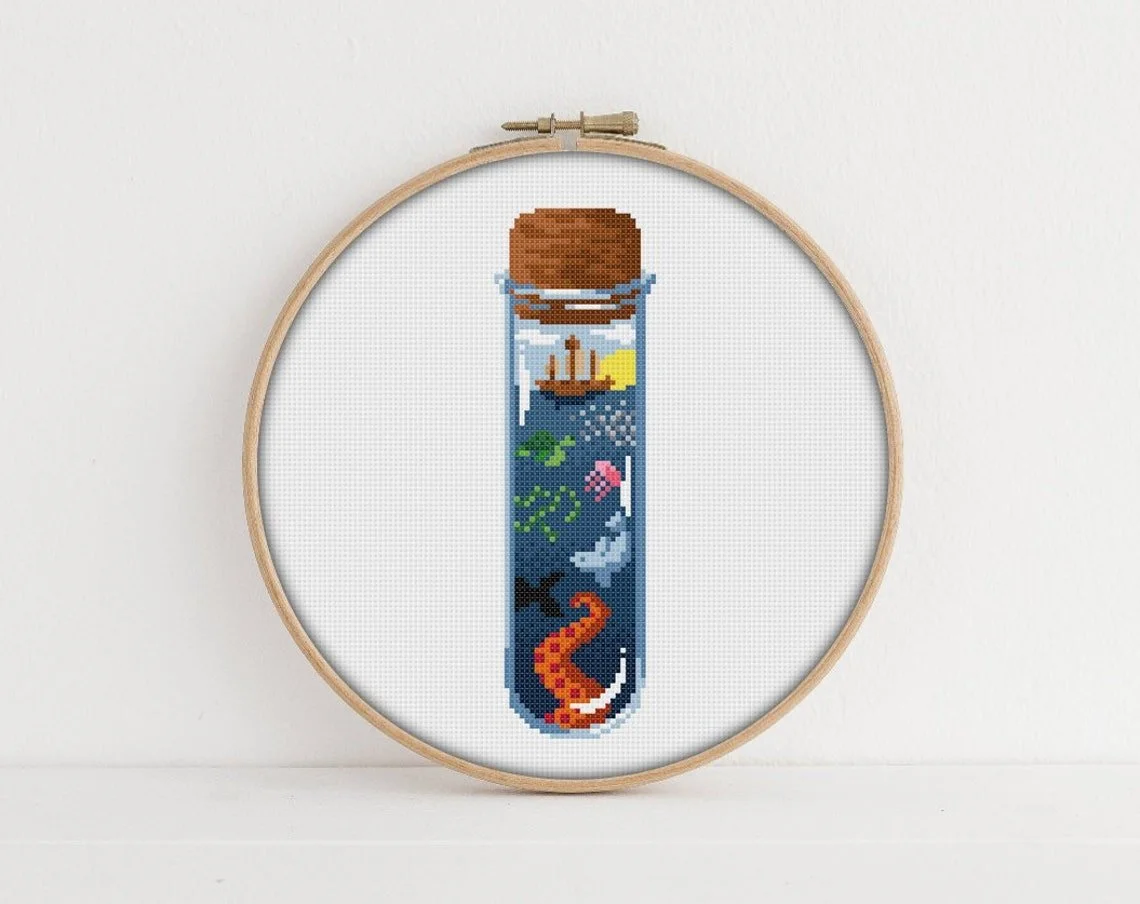
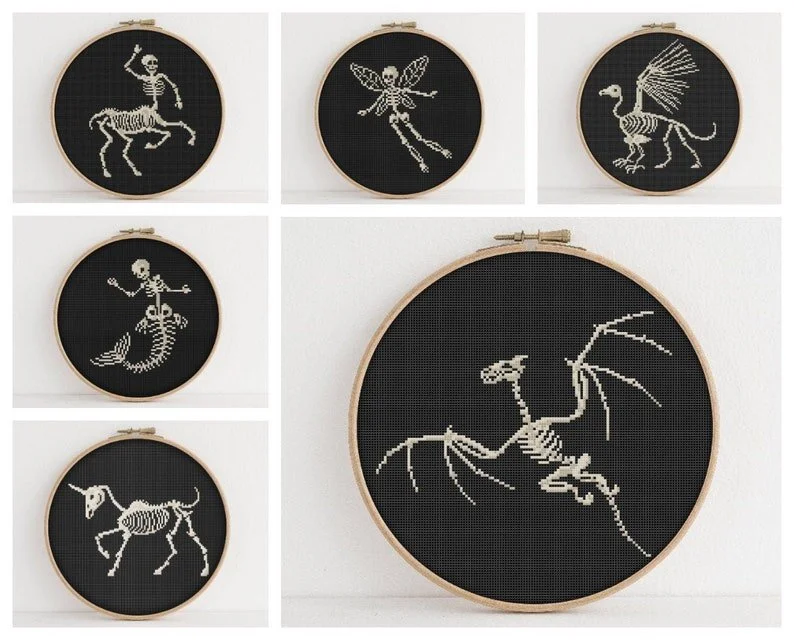
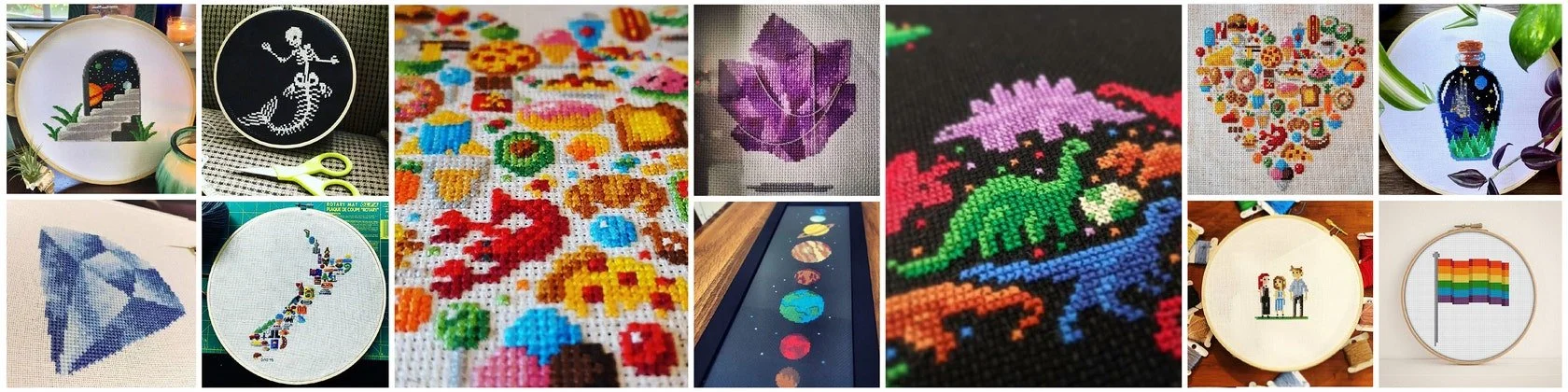
PixlStitch is a cross-stitch pattern shop I built around pixel art, clear instructions, and playful design systems. Since launching it in 2016, I’ve created over 120 original patterns and sold to more than 10,000 customers worldwide.
Each pattern needs to be visually appealing, technically accurate, clearly laid out, and easy to follow without extra explanation. That made PixlStitch a long-running exercise in instructional design, even before I was using that language for it.
I also wrote and illustrated PixlPeople, a published book that helps readers create custom cross-stitch characters using modular assets such as hairstyles, clothing, body shapes, and poses.
The project has given me hands-on experience in digital product development, customer communication, marketing, and reusable visual systems.
VocabuDoodle
Vocabulary building through story, drawing, and play
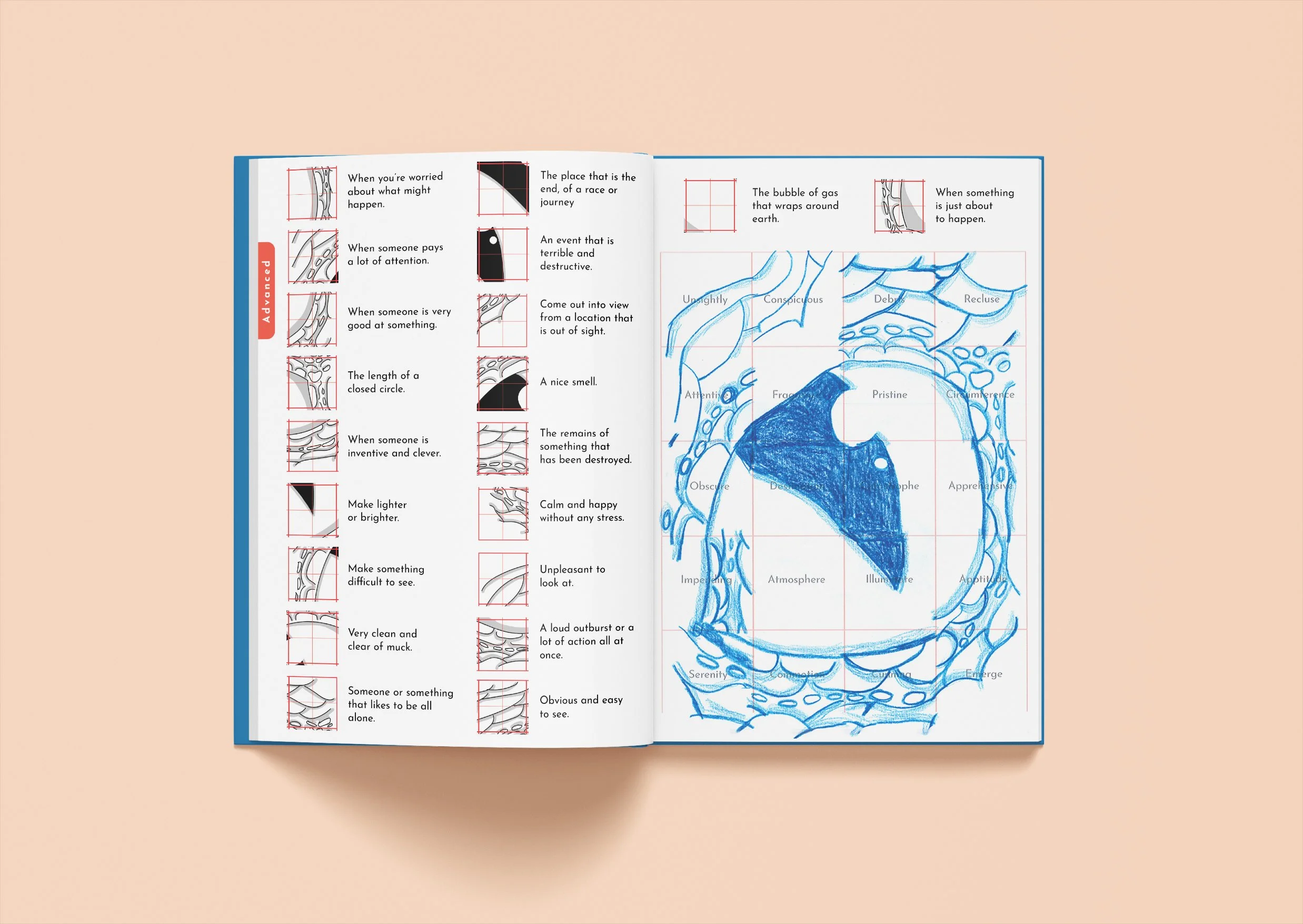
VocabuDoodle is a printed educational resource designed to help children build vocabulary and reading comprehension through short stories, visual clues, and interactive drawing activities.
Each activity introduces key vocabulary through a bite-sized story. Learners then match words to definitions and use their answers to complete a drawing grid. If the matches are correct, the final image comes together piece by piece.
I chose a printed format because the project was partly about giving children a break from screens. Pencil-to-paper interaction can feel surprisingly fresh now, and drawing gives learners a more active, tactile way to engage with language.
The illustration style is loose, cartoony, and achievable by design. The aim was to make the activity feel accessible, playful, and worth trying, even for children who may not see themselves as strong readers or artists.
The goal was to create vocabulary practice that felt intrinsically motivating, using storytelling, self-checking puzzles, and art-based interaction to make reading practice feel more like play.



I would love for you to get in touch if you feel we might be a good fit working together.
Johnystoof@gmail.com
022 453 4651